
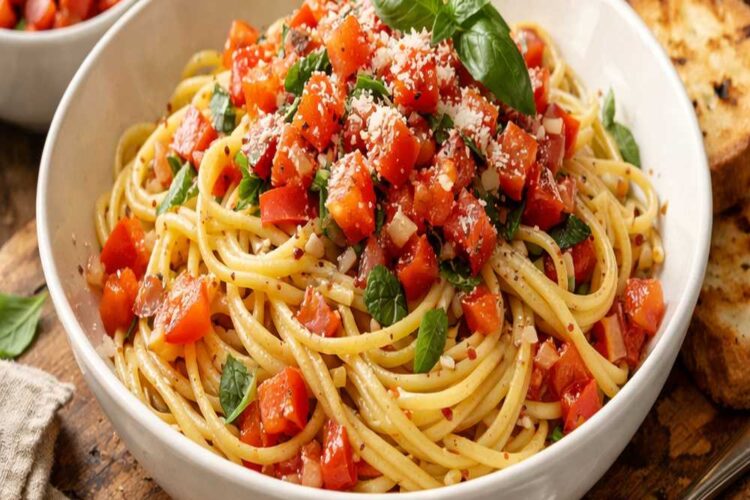
I’ll never forget the summer I spent visiting family in northern Italy. I was sitting on my cousin’s terrace in Piedmont, watching her make this exact dish with tomatoes she’d picked that morning from her garden. The way she tossed hot pasta directly into a bowl of bright, uncooked tomato mixture was pure magic—the heat released the most incredible fragrance from the basil and garlic. That moment taught me that the simplest dishes often carry the deepest traditions. Today, I’m sharing this beloved Italian-inspired pasta with you, and I promise it will become a staple in your kitchen when summer tomatoes are at their peak.
Authentic Bruschetta Pasta: The Story Behind This Simple, Elegant Dish
This recipe comes from the tradition of Italian home cooking, where resourcefulness and respect for seasonal ingredients reign supreme. In Italy, bruschetta originated as a way to use stale bread, garlic, and tomatoes—ingredients every family had on hand. Over time, that same philosophy of bright, fresh flavors has been beautifully translated into pasta dishes that celebrate the tomato harvest.
When I first learned to make this, my cousin explained that the key wasn’t fancy technique—it was understanding that each ingredient needed to shine. She never cooked the tomatoes. She never made a sauce. Instead, she let them macerate in olive oil, creating their own light, fragrant topping that would coat every strand of pasta. That’s when I realized this wasn’t just a recipe; it was a philosophy about honoring what nature gives us.
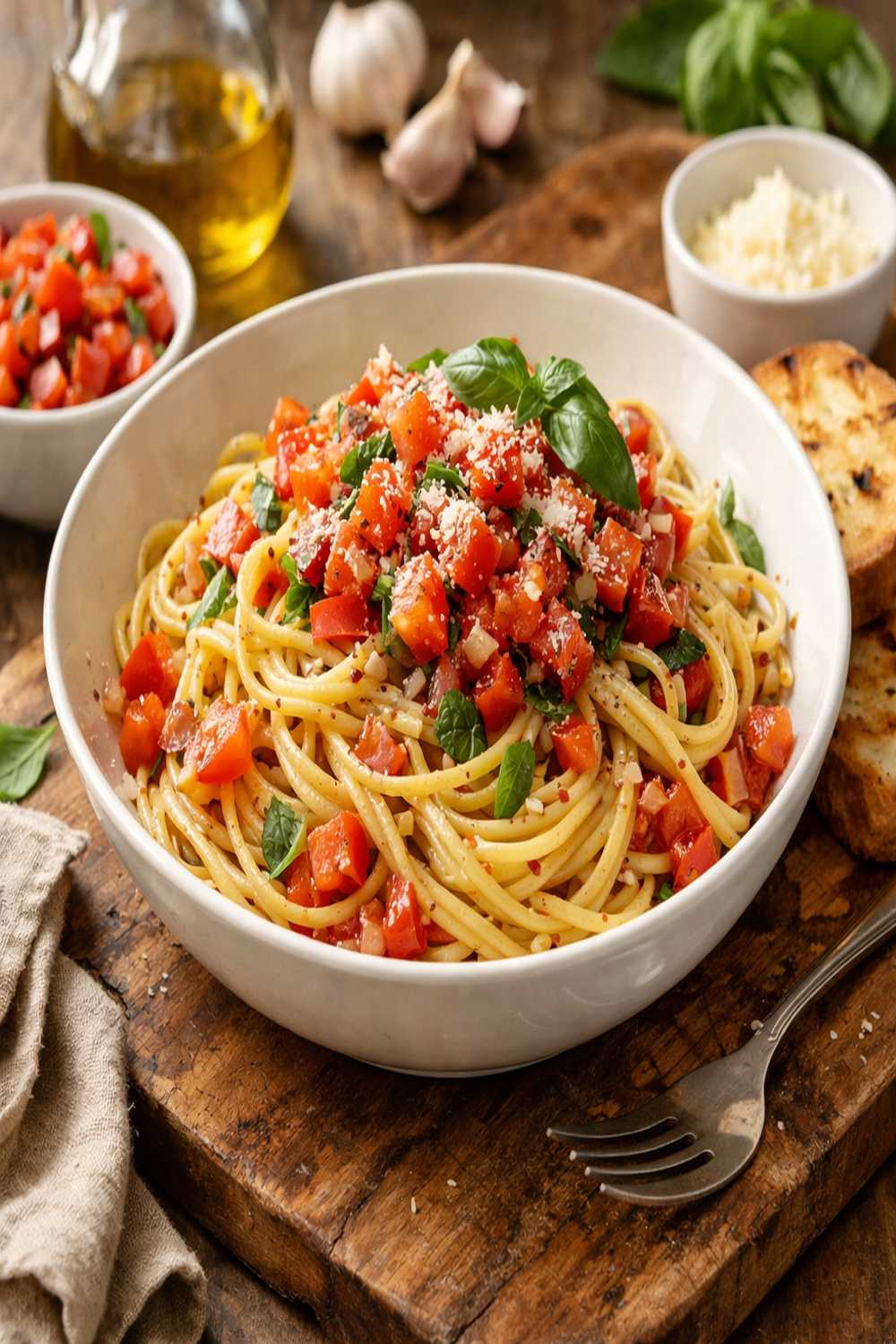
The History and Cultural Significance of Bruschetta Pasta
Bruschetta has deep roots in Italian cuisine, particularly in regions like Tuscany and Umbria. The word itself comes from the Italian verb “bruscare,” which means to roast over coals. Originally, bruschetta was toasted bread rubbed with garlic and drizzled with olive oil—a simple, humble preparation that appeared at harvest celebrations and family gatherings.
When bruschetta flavors moved into pasta dishes, it represented a beautiful evolution of Italian cooking. Rather than serving tomato and basil as separate components, home cooks began creating what I call “deconstructed bruschetta pasta”—where raw tomatoes and fresh herbs create a light, refreshing coating for warm pasta. This style became especially popular in southern Italy during late summer, when tomatoes are plentiful and the heat makes cooking over a stove less appealing.
The significance of this dish goes beyond flavors. In Italian culture, pasta is never just food—it’s a statement about family, seasonality, and connection. A meal built around this bruschetta pasta says, “I respect the season. I honor the farmers. I want to share something real with the people I love.”
What Makes Authentic Bruschetta Pasta Special
After years of developing recipes and studying nutrition, I can tell you what separates authentic bruschetta pasta from everyday pasta dishes. It’s not complicated, but it’s intentional.
- Fresh, raw tomatoes (never cooked) – This is the soul of the dish. Raw tomatoes release their juices and natural sugars when they sit in olive oil and acid, creating a light, delicate sauce that coats the pasta without heaviness. Cooked tomato sauces change the entire character of this dish.
- Quality extra-virgin olive oil – This isn’t the time for everyday oil. Extra-virgin olive oil provides fruity, complex flavors that become more pronounced when it’s not heated. The oil essentially becomes your sauce.
- Fresh basil added at the last moment – Fresh herbs lose their brightness when exposed to heat for too long. Traditional preparation adds basil just before serving, preserving its aromatic, peppery qualities.
- Garlic used raw and minced finely – Raw garlic provides sharp, pungent notes that make this dish feel alive. It’s meant to wake up your palate, not mellow into sweetness through cooking.
- Balanced acidity – A touch of balsamic vinegar or quality wine vinegar brightens everything, mimicking the acidity you’d find in fresh tomatoes and adding depth without overpowering the dish.
The Ingredients – Sourcing the Real Thing
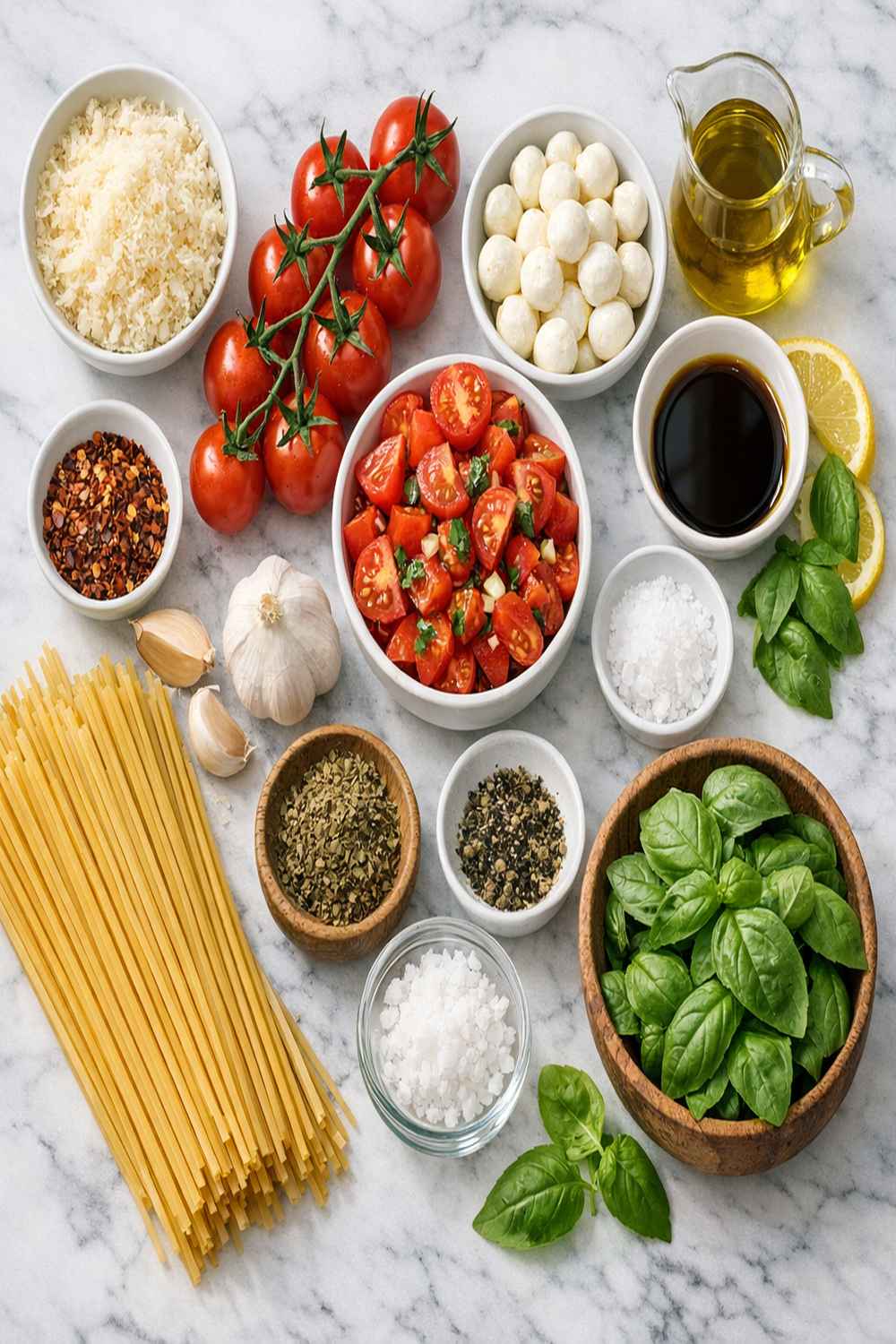
I want to be honest with you about ingredients. When summer is in full swing and you have access to farmers’ market tomatoes, this recipe becomes transcendent. But I also know that life doesn’t always align with peak season, and I never want you to feel like you can’t make the dishes you love. Let me walk you through sourcing and substitutions that will serve you well year-round.
One of my favorite things about this recipe is its flexibility. The technique remains the same whether you’re working with heirloom tomatoes in July or quality canned tomatoes in January. What matters is respecting each ingredient and understanding why it’s there.
- 2 cups tomatoes (fresh and ripe during summer; high-quality canned San Marzano tomatoes work beautifully in off-season, drained well)
- 1 tablespoon balsamic vinegar (aged balsamic is lovely, but even basic balsamic brings brightness)
- 8 ounces pasta (any shape works beautifully—I love penne, farfalle, or spaghetti, depending on what I have and what I’m feeling)
- 2 cloves fresh garlic (minced finely, and yes, fresh matters—jarred garlic loses its punch)
- ¼ cup extra-virgin olive oil (look for bottles labeled “first cold-pressed” or “early harvest” for the most vibrant flavor)
- ½ cup fresh basil leaves (cut into thin ribbons or roughly torn—avoid bruising the leaves)
- 2 tablespoons fresh lemon juice (adds brightness and helps prevent oxidation in raw tomatoes)
- Pinch of red pepper flakes (optional, but it adds warmth and complexity)
- ½ teaspoon kosher salt (adjust to taste; kosher salt has a lighter touch than table salt)
- ¼ teaspoon freshly cracked black pepper (grind it fresh for best flavor)
- ½ cup freshly shredded Parmigiano-Reggiano cheese (pre-shredded has anti-caking agents that change texture—shred your own when possible)
A note on sourcing: For tomatoes, if you can access farmers’ market varieties during summer, absolutely do it. Heirloom tomatoes like Brandywine, Cherokee Purple, or Early Girl tomatoes have incredible flavor. If you’re cooking outside peak season, San Marzano canned tomatoes from Italy are worth the extra cost—they’re strained of excess liquid and have natural sweetness.
For olive oil, I encourage you to taste a few options from your local market or a specialty food shop. Extra-virgin olive oils vary dramatically by region and harvest time. A grassy, peppery Tuscan oil will taste different from a fruity Greek oil or a buttery Spanish oil. All are authentic; choose what speaks to your palate.
The Traditional Method: How to Make Authentic Bruschetta Pasta
I’m going to walk you through each step as if we’re standing in that Italian kitchen together. The beauty of this method is that it honors tradition while being incredibly practical for weeknight dinners. This is food that celebrates the moment—the season, the ingredients, the people you’re feeding.
Step 1: Begin the Flavor Building
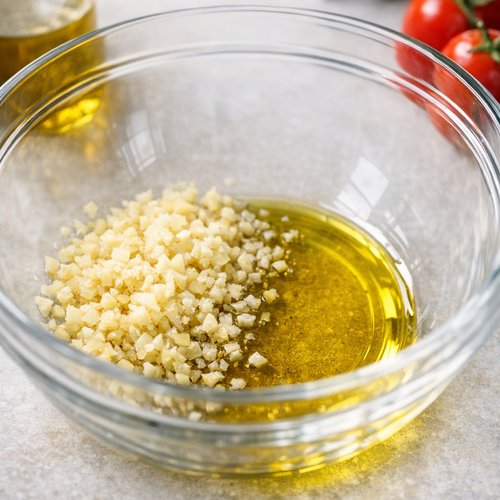
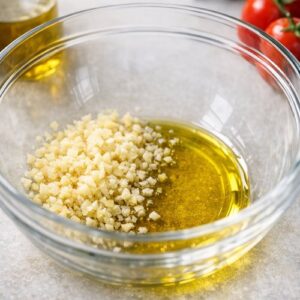
While your water comes to a boil, create the foundation of your dish. In a large mixing bowl (not on heat), combine your minced garlic, ¼ cup of that beautiful extra-virgin olive oil, and the balsamic vinegar. Let these three ingredients sit together for just a moment. The oil will begin to soften the sharp edge of the raw garlic, and the vinegar will add brightness.
This step is traditional because it does something important: it allows the garlic to infuse the oil without becoming bitter. You’re creating a flavor base that will coat every piece of pasta. In Italian kitchens, this is called “soffritto light”—a gentle flavor foundation without the cooking.
Step 2: Prepare the Tomato Mixture
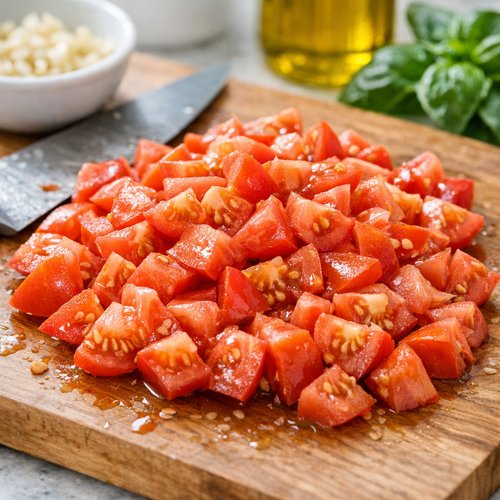
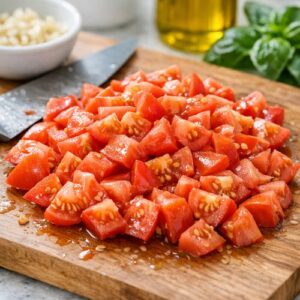
Now, chop your tomatoes into roughly ¾-inch pieces. You want them substantial enough to create texture in the finished dish, but small enough to distribute evenly. Add them to your garlic-oil mixture along with the lemon juice, kosher salt, and black pepper. If you’re using a pinch of red pepper flakes, add them now.
Here’s where patience becomes part of the tradition. Let this mixture sit for 5-10 minutes while your pasta water heats. The tomatoes will begin to release their juices into the oil, creating a light, silky sauce. This is maceration—the technique that transforms raw tomatoes into something magical. You’ll notice the mixture becoming wetter and more fragrant. This is exactly what we want.
Stir occasionally during this time. You’re not trying to break down the tomatoes; you’re letting them gently release their essence. This is the opposite of aggressive cooking. It’s respectful and gentle.
Step 3: Cook the Pasta Properly
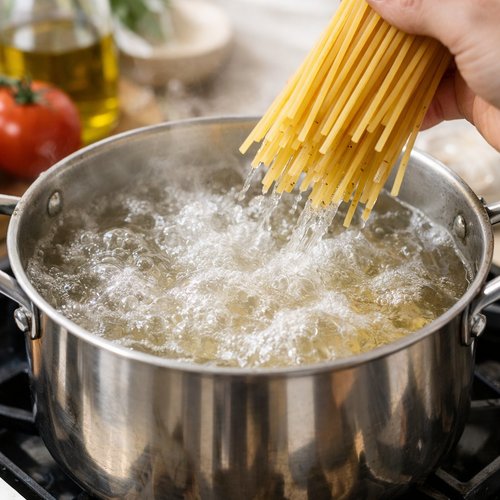
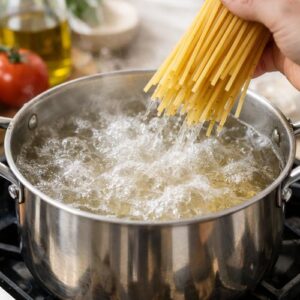
Bring a large pot of water to a rolling boil. This is important—the water needs to be generously salted, almost like the sea. Italian cooks say, “Salt your pasta water like you’re seasoning soup.” This is where the pasta gets its flavor, not after cooking.
Add your 8 ounces of pasta and cook according to package directions, but aim for al dente—just tender with a slight firmness when you bite it. This texture matters because the pasta will continue to soften slightly when it meets the room-temperature tomato mixture. You want it to have enough structure to stand up to the light sauce.
While the pasta cooks, continue to occasionally stir your tomato mixture. The flavors are getting to know each other, melding into something cohesive and beautiful.
Step 4: The Traditional Transfer
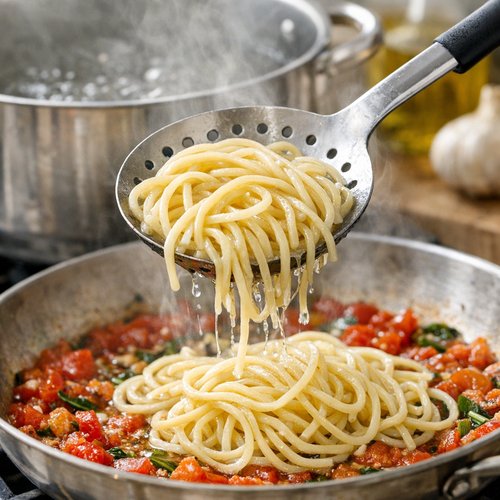
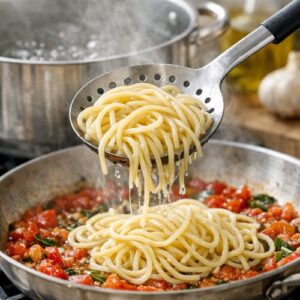
Here’s where the magic happens, and it’s the most important step. Use a slotted spoon to transfer the hot pasta directly from the cooking water to the bowl with your tomato mixture. Don’t drain it in a colander. Don’t rinse it. The starchy pasta water clinging to each strand is a gift—it will help the light tomato oil coat the pasta evenly.
If you prefer, you can reserve ¼ cup of the starchy cooking water and add it to your mixture, but I’ve found that the pasta transferred directly works beautifully. The heat from the pasta will gently warm the tomatoes just enough to release their final burst of flavor, but they’ll remain fresh and bright—never cooked.
This transfer method is traditional because it’s efficient and respectful. You’re creating one moment of gentle heat that awakens flavors without changing the character of the dish.
Step 5: The Final Assembly
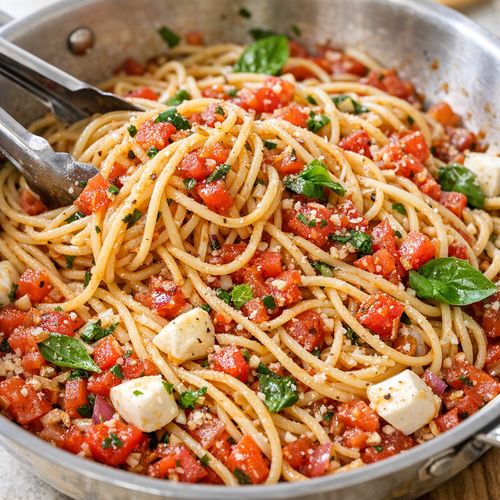
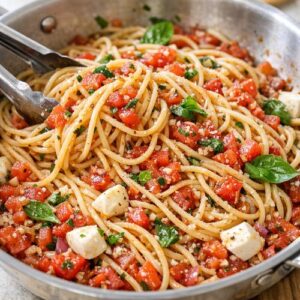
Now, toss everything together gently but thoroughly. The warm pasta will coat beautifully in the tomato mixture. Let it sit for about 5 minutes, stirring occasionally. This resting period is crucial. The pasta will absorb flavors and thicken slightly as the starch releases and the oil and tomato juices combine into something silky.
Taste and adjust your salt and pepper. Every tomato is different; some are more acidic, some more sweet. Trust your palate. If it needs brightness, add a squeeze more lemon juice. If it needs depth, crack more pepper over top.
Now—and only now—add your fresh basil. Tear or cut it into thin ribbons, and fold it in gently. The warmth of the pasta will release the basil’s essential oils, filling your kitchen with that unmistakable scent of Italian summer.
Step 6: Serve with Respect
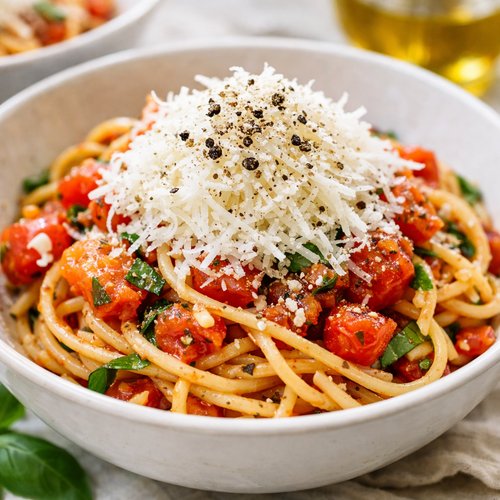
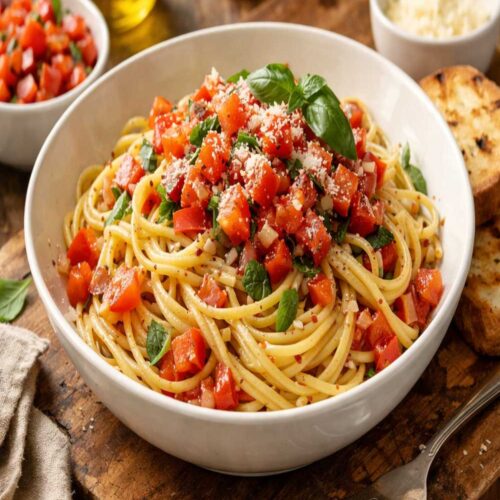
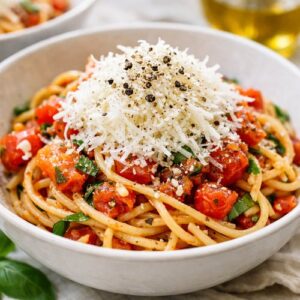
Transfer to serving bowls or plates. Top each portion with a generous handful of freshly shredded Parmigiano-Reggiano and a crack of black pepper. If you have extra fresh basil, add a few leaves on top. Serve immediately while the pasta is still warm and the flavors are vibrant.
In Italian homes, this is a first course (primo) or a light main dish. It’s not meant to be heavy or filling. It’s meant to celebrate the season and bring people together around a table.
Expert’s Nutritional Insight
As a registered dietitian, I want to highlight something wonderful about this dish: the combination of ingredients creates real nutritional synergy. Those fresh tomatoes provide lycopene, a powerful antioxidant that’s actually more bioavailable when paired with fat—and you’ve got quality olive oil here in abundance. The basil adds polyphenols and has been traditionally used to support digestion. The garlic provides allicin, which supports immune function. This isn’t health food pretending to be pleasure; it’s pleasure that happens to be deeply nourishing. That’s the magic of traditional cooking.
Regional Variations Around the World
- Tuscany and Umbria – The birthplace of bruschetta. In these regions, you’ll find versions topped with white beans for protein, roasted tomatoes for depth, or even fresh mozzarella. The oil-to-tomato ratio tends to be generous, creating a lighter sauce.
- Sicily – Southern Italian cooks often add capers, olives, and anchovies to their bruschetta pasta, bringing briny, savory complexity. The tomatoes might be slightly cooked. Pine nuts sometimes appear as garnish.
- Campania (around Naples) – Here, you’ll find versions with fresh mozzarella or burrata added to the warm pasta, creating creaminess. Cherry tomatoes are preferred because they’re naturally sweeter.
- Modern American Interpretations – In the United States, home cooks have added grilled chicken, sun-dried tomatoes, or balsamic reduction. While these are delicious, they shift the dish away from its traditional simplicity into something heartier.
Traditional Serving Customs
In Italy, bruschetta pasta appears most often during late summer celebrations and casual family dinners. It’s served as a first course before a protein, or as a light main course on warm evenings when nobody wants to spend hours cooking. The occasion is often a gathering—a celebration of the tomato harvest, a birthday dinner, an evening with neighbors.
Traditionally, this dish is served in shallow bowls rather than on flat plates, which allows the beautiful tomato oil to pool slightly and coat each bite. It arrives at the table immediately after assembly—while the pasta is still warm, the basil still fragrant, the tomatoes still fresh.
Wine pairing is important in Italian culture. A crisp white wine—Pinot Grigio, Vermentino, or Albariño—complements the fresh tomatoes and basil beautifully. The acidity in the wine echoes the acidity in the dish, creating harmony on the palate.
There’s no rush in the eating. This is food meant to be savored slowly, discussed, and enjoyed in good company. Each forkful is a small celebration.
Make-Ahead Guide for Busy Weeknights
Here’s what I tell clients who love this recipe but live busy lives: you can prep strategically without compromising authenticity.
Up to 8 hours ahead: Mince your garlic, chop your tomatoes, and store them separately in airtight containers in the refrigerator. Shred your cheese and store it in a dry container. Tear or cut your basil and wrap it gently in a damp paper towel, then place it in a sealed container. Everything stays fresh and ready.
30 minutes before serving: Combine the garlic, olive oil, and balsamic vinegar in your serving bowl. Add the tomatoes, lemon juice, salt, and pepper. Let them macerate while you attend to other tasks. This is the longest-keeping component and actually improves with a bit of time.
Right before serving: Boil your pasta water, cook the pasta, and complete the dish with the basil addition and plating. From this point forward, everything moves quickly.
This approach means you can have a restaurant-quality meal on the table in about 20 minutes, even on your busiest days. The fresh flavors taste like you spent hours in the kitchen, but you’ve spent minutes.
Common Mistakes to Avoid
After teaching this recipe countless times, I’ve noticed patterns in what trips people up. Here’s what to watch for:
Mistake 1: Cooking the tomato mixture. I understand the impulse—it feels like you should cook tomatoes to make sauce. But resist it. The moment you apply heat to those raw tomatoes, you lose the fresh, bright character that makes this dish special. Keep everything at room temperature until the hot pasta joins in.
Mistake 2: Not salting the pasta water adequately. This seems small, but it’s foundational. Your pasta water is your only seasoning opportunity for the pasta itself. It should taste like the sea. If your pasta water is bland, your finished dish will be flat, no matter how good your other ingredients are.
Mistake 3: Adding basil too early. Fresh basil bruises easily and loses its brightness when exposed to heat or rough handling for too long. Add it in the final minutes, when the bowl is warm but not actively cooking. This preserves that peppery, aromatic quality that makes basil special.
Mistake 4: Using pre-shredded cheese. I know it’s convenient, and sometimes convenience wins. But anti-caking agents in pre-shredded cheese prevent it from melting smoothly and distributing evenly. For this dish, which relies on simplicity and texture, freshly shredded Parmigiano-Reggiano makes a noticeable difference.
Seasonal Variations: Adapting Through the Year
One of the beautiful things about cooking seasonally is that your meals naturally evolve through the year. Here’s how I adapt this bruschetta pasta in different seasons:
Summer (June-August): This is the true season for this dish. Use the ripest heirloom or farmers’ market tomatoes you can find. Add a handful of fresh corn kernels if you want sweetness and texture. A squeeze of fresh lime juice brings brightness without overpowering.
Fall (September-November): As fresh tomatoes fade, shift to high-quality canned San Marzano tomatoes. Add roasted red peppers for sweetness and color. Fresh oregano can replace some of the basil, bringing earthier notes. A tiny splash of aged balsamic reduction adds depth.
Winter (December-February): Use canned tomatoes exclusively. Add sun-dried tomatoes (soaked in warm water first) for intensity. Include a small handful of toasted pine nuts or walnuts for textural warmth. A whisper of dried oregano provides herbaceous notes.
Spring (March-May): Use canned tomatoes but add fresh spring vegetables—thinly shaved asparagus, fresh peas, minced radishes. Increase fresh herbs; use a combination of basil, parsley, and fresh chives. Lemon becomes more prominent in the flavor profile.
Can I Store Bruschetta Pasta?
Yes, with some important caveats based on my experience with fresh pasta dishes.
In the refrigerator: Store leftovers in an airtight container for up to 3 days. The pasta will absorb more of the oil and tomato liquid, becoming softer and more cohesive—some people actually prefer it this way. Before eating, let it come to room temperature for about 15 minutes, which restores some of the bright flavors. You can add a touch more fresh basil right before eating to restore freshness.
Do not freeze. The texture of cooked pasta changes when frozen, becoming grainy and losing the pleasant al dente quality. Fresh tomatoes also break down in freezing.
Better approach: Store the tomato mixture (without pasta) in the refrigerator for up to 4 days. Cook fresh pasta as needed and combine just before serving. This gives you the convenience of make-ahead prep with the quality of fresh preparation.
The components separately: If you’re really planning ahead, I recommend storing garlic, tomatoes, oil, and basil separately in the refrigerator, then assembling everything fresh. This takes maybe 25 minutes total and delivers the best results.
Nutrition Information
Per serving (approximately 1.5 cups), this recipe provides roughly 380 calories, 18 grams of fat (mostly from quality olive oil), 45 grams of carbohydrates, 3 grams of fiber, and 13 grams of protein. The nutritional profile is balanced, with healthy fats supporting the absorption of fat-soluble vitamins from the tomatoes and basil.
According to USDA nutritional data, fresh tomatoes provide significant vitamin C (supporting immune function), potassium (important for heart health), and lycopene (a carotenoid with antioxidant properties). The fresh basil adds manganese, vitamin K, and various polyphenols. Extra-virgin olive oil provides monounsaturated fats and oleocanthal, an anti-inflammatory compound.
This is the kind of meal that aligns with Mediterranean diet patterns, which research consistently shows support longevity and disease prevention. In regions where bruschetta and similar fresh, oil-based pasta dishes are traditional—particularly southern Italy—populations show some of the world’s lowest rates of heart disease and highest life expectancies.
One serving of this recipe, paired with a simple green salad and a piece of whole-grain bread, creates a nutritionally complete, satisfying meal that feels indulgent while actually supporting your health. That’s the gift of traditional cooking.
What Can I Serve With Bruschetta Pasta?
In Italian tradition, this pasta is rarely served alone. It’s typically part of a larger meal structure. Let me walk you through what pairs beautifully:
- A simple green salad with lemon vinaigrette – After the richness of olive oil in the pasta, a bright, acidic salad feels refreshing. Use arugula or mixed greens, and dress simply with fresh lemon juice, olive oil, and salt.
- Crusty bread for soaking up the oil – This isn’t wasteful; it’s traditional. That incredible tomato oil coating the bottom of your bowl is liquid gold. Bread is the respectful way to finish it.
- A crisp white wine – As mentioned earlier, Pinot Grigio or similar whites complement this beautifully. The acidity echoes the dish’s brightness.
- Grilled vegetables, if you want to extend the meal – Grilled zucchini, eggplant, or bell peppers make wonderful additions without overpowering the pasta’s delicate flavors.
- A simple cheese board – If serving as a first course before another protein, follow with some aged cheese, cured meats, and nuts. The contrast between the light pasta and richer items creates a memorable progression.
If you’re looking for something to drink alongside this, my Carrabba’s Pomegranate Martini is actually a surprising complement—the pomegranate’s tartness mirrors the tomato and basil flavors beautifully. For those seeking warm-weather inspiration, consider pairing with light pasta dishes like this one throughout your meal planning.
I also love serving this alongside my favorite salad, which provides additional protein and creates a heartier, more complete vegetarian meal while maintaining the Mediterranean flavor profile.
Bruschetta Pasta Recipe

Ingredients
- 2 cup tomatoes fresh and ripe during summer; high-quality canned San Marzano tomatoes work beautifully in off-season, drained well
- 1 tablespoon balsamic vinegar aged balsamic is lovely, but even basic balsamic brings brightness
- 8 ounce pasta (any shape works beautifully
- 2 clove fresh garlic (minced finely, and yes, fresh matters
- ¼ cup extra-virgin olive oil look for bottles labeled "first cold-pressed" or "early harvest" for the most vibrant flavor
- ½ cup fresh basil leaves (cut into thin ribbons or roughly torn
- 2 tablespoon fresh lemon juice adds brightness and helps prevent oxidation in raw tomatoes
- Pinch of red pepper flakes optional, but it adds warmth and complexity
- ½ teaspoon kosher salt adjust to taste; kosher salt has a lighter touch than table salt
- ¼ teaspoon freshly cracked black pepper grind it fresh for best flavor
- ½ cup freshly shredded Parmigiano-Reggiano cheese (pre-shredded has anti-caking agents that change texture
Instructions
Step 1: Begin the Flavor Building
- While your water comes to a boil, create the foundation of your dish. In a large mixing bowl (not on heat), combine your minced garlic, ¼ cup of that beautiful extra-virgin olive oil, and the balsamic vinegar. Let these three ingredients sit together for just a moment. The oil will begin to soften the sharp edge of the raw garlic, and the vinegar will add brightness. This step is traditional because it does something important: it allows the garlic to infuse the oil without becoming bitter. You're creating a flavor base that will coat every piece of pasta. In Italian kitchens, this is called "soffritto light"—a gentle flavor foundation without the cooking.
Step 2: Prepare the Tomato Mixture
- Now, chop your tomatoes into roughly ¾-inch pieces. You want them substantial enough to create texture in the finished dish, but small enough to distribute evenly. Add them to your garlic-oil mixture along with the lemon juice, kosher salt, and black pepper. If you're using a pinch of red pepper flakes, add them now. Here's where patience becomes part of the tradition. Let this mixture sit for 5-10 minutes while your pasta water heats. The tomatoes will begin to release their juices into the oil, creating a light, silky sauce. This is maceration—the technique that transforms raw tomatoes into something magical. You'll notice the mixture becoming wetter and more fragrant. This is exactly what we want. Stir occasionally during this time. You're not trying to break down the tomatoes; you're letting them gently release their essence. This is the opposite of aggressive cooking. It's respectful and gentle.
Step 3: Cook the Pasta Properly
- Bring a large pot of water to a rolling boil. This is important—the water needs to be generously salted, almost like the sea. Italian cooks say, "Salt your pasta water like you're seasoning soup." This is where the pasta gets its flavor, not after cooking. Add your 8 ounces of pasta and cook according to package directions, but aim for al dente—just tender with a slight firmness when you bite it. This texture matters because the pasta will continue to soften slightly when it meets the room-temperature tomato mixture. You want it to have enough structure to stand up to the light sauce. While the pasta cooks, continue to occasionally stir your tomato mixture. The flavors are getting to know each other, melding into something cohesive and beautiful.
Step 4: The Traditional Transfer
- Here's where the magic happens, and it's the most important step. Use a slotted spoon to transfer the hot pasta directly from the cooking water to the bowl with your tomato mixture. Don't drain it in a colander. Don't rinse it. The starchy pasta water clinging to each strand is a gift—it will help the light tomato oil coat the pasta evenly. If you prefer, you can reserve ¼ cup of the starchy cooking water and add it to your mixture, but I've found that the pasta transferred directly works beautifully. The heat from the pasta will gently warm the tomatoes just enough to release their final burst of flavor, but they'll remain fresh and bright—never cooked. This transfer method is traditional because it's efficient and respectful. You're creating one moment of gentle heat that awakens flavors without changing the character of the dish.
Step 5: The Final Assembly
- Now, toss everything together gently but thoroughly. The warm pasta will coat beautifully in the tomato mixture. Let it sit for about 5 minutes, stirring occasionally. This resting period is crucial. The pasta will absorb flavors and thicken slightly as the starch releases and the oil and tomato juices combine into something silky. Taste and adjust your salt and pepper. Every tomato is different; some are more acidic, some more sweet. Trust your palate. If it needs brightness, add a squeeze more lemon juice. If it needs depth, crack more pepper over top. Now—and only now—add your fresh basil. Tear or cut it into thin ribbons, and fold it in gently. The warmth of the pasta will release the basil's essential oils, filling your kitchen with that unmistakable scent of Italian summer.
Step 6: Serve with Respect
- Transfer to serving bowls or plates. Top each portion with a generous handful of freshly shredded Parmigiano-Reggiano and a crack of black pepper. If you have extra fresh basil, add a few leaves on top. Serve immediately while the pasta is still warm and the flavors are vibrant. In Italian homes, this is a first course (primo) or a light main dish. It's not meant to be heavy or filling. It's meant to celebrate the season and bring people together around a table.
Nutrition
FAQs
Can I make this recipe with canned tomatoes year-round?
Absolutely. In fact, I encourage it. During winter months when fresh tomatoes are mealy and flavorless, high-quality canned tomatoes are superior. Look specifically for San Marzano tomatoes from Italy, which are naturally sweet and have been strained of excess liquid. Drain them well before adding to your oil mixture. The results are genuinely delicious—not a compromise, just a different seasonal interpretation.
What if I can’t find fresh basil?
Fresh basil is really important to this dish because it’s what makes it feel bright and alive. If you absolutely cannot find fresh basil, I’d suggest using fresh parsley instead of cooking without herbs. The flavor profile shifts, but it’s still delicious. In winter, a combination of fresh parsley and a pinch of dried oregano can work. Avoid dried basil—it tastes dusty and won’t give you the same effect as fresh.
Is this recipe vegetarian and vegan-friendly?
This recipe is naturally vegetarian. For vegan adaptation, simply omit the Parmigiano-Reggiano cheese or replace it with a high-quality vegan parmesan alternative. The dish remains beautiful and delicious without the cheese—the tomato and basil flavors stand on their own. Some vegan cooks add a sprinkle of nutritional yeast for a cheesy, umami note.
Can I add protein to this dish?
Yes, and this is where regional variations come in. Grilled chicken breast, shrimp sautéed in garlic and olive oil, or white beans all pair beautifully. Add cooked protein just before serving so it stays warm without overcooking. I particularly love white cannellini beans folded in gently—they add creaminess and substance without overwhelming the fresh flavors. If you’re looking for inspiration on how to incorporate chicken, my Balsamic Caprese Chicken Recipe uses similar flavor profiles and could inspire variations on this theme.
What’s the best way to reheat leftovers?
If you’ve stored the pasta and tomato mixture together, I don’t recommend reheating it on the stove—the pasta can become mushy. Instead, remove it from the refrigerator and let it come to room temperature on the counter for 15-20 minutes. If it seems dry, add a touch of fresh lemon juice and a small splash of olive oil, then stir gently. Fresh basil added at this point will restore some brightness. Alternatively, if you stored the tomato mixture separately, cook fresh pasta and combine—this always gives the best results.
More Recipes From This Tradition
- Balsamic Caprese Chicken Recipe – A protein-forward dish using the same bright, fresh flavor combination of tomatoes, basil, and quality olive oil
- Lighter Baked Macaroni and Cheese – If you love pasta with cheese but want something fresher than traditional versions, this bridges both worlds
- Marry Me Chicken – An Italian-inspired creamy pasta that celebrates garlic, tomato, and fresh herbs in a different way
The Joy of Simple, Honest Cooking
I keep coming back to that moment on my cousin’s terrace, watching her make this exact dish. There was no stress, no complicated techniques, no fancy equipment. Just her hands, the ingredients that mattered, and the love she poured into every step. That’s what I want for you when you make this recipe.
Bruschetta pasta isn’t about impressing people with complexity. It’s about saying, “I respect these ingredients. I respect your palate. I respect this moment we’re sharing.” Every time you make it, you’re honoring a tradition that’s hundreds of years old—a tradition that says the best meals are built on simplicity, seasonality, and genuine care.
When summer tomatoes are ripe, make this. When you need something quick and nourishing on a Wednesday night, make this. When you want to celebrate and feel connected to something bigger than yourself, make this. I promise it will become the kind of recipe you reach for again and again, the kind that brings people together, the kind that tastes like home—no matter what kitchen you’re standing in.
Happy cooking!
