
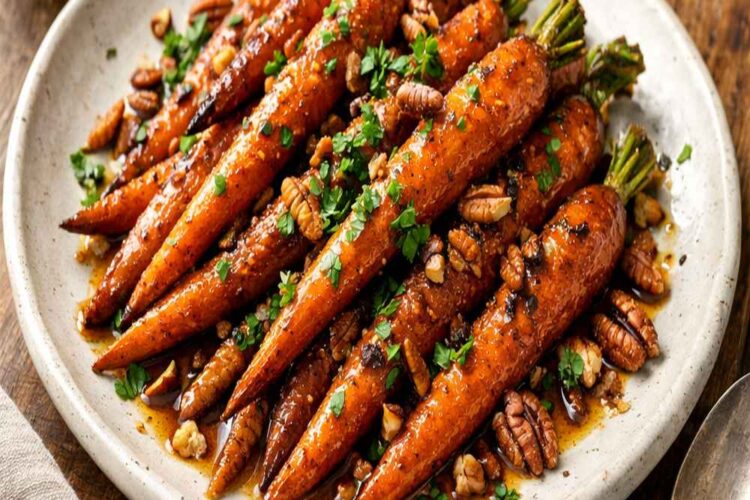
I grew up watching my grandmother roast vegetables in a cast-iron skillet, the kitchen filling with caramelized sweetness and garlic steam. But those traditional recipes often relied on butter and refined sugars that left me feeling sluggish by dinnertime. I wanted to recreate that same magic—that golden, glossy finish and tender bite—without the heaviness. That’s when I started experimenting with whole sweeteners and cleaner fats. The result? A brown sugar roasted carrot recipe that tastes like indulgence but nourishes your body. This is the version my family requests now, and I’m thrilled to share it with you. Whether you’re serving it alongside barbeque chicken wraps or as part of a colorful vegetable medley, these carrots deliver both joy and real nutritional value.
Healthy Brown Sugar Roasted Carrot Recipe That Tastes Better Than the Original
I started developing this recipe three years ago when I noticed my energy dipped after traditional roasted vegetable dishes. As a registered dietitian, I knew the issue: excess saturated fat and refined sugars were spiking my blood sugar. I wanted something that would satisfy the comfort-food craving while supporting stable energy and nutrient absorption. What surprised me most was discovering that by using honey and quality brown sugar in smaller quantities, plus boosting the balsamic vinegar, the carrots tasted more complex and interesting than the butter-heavy versions I’d made before. The natural sugars in the carrots themselves caramelize beautifully when roasted at the right temperature, so you need far less added sweetness than you’d think.
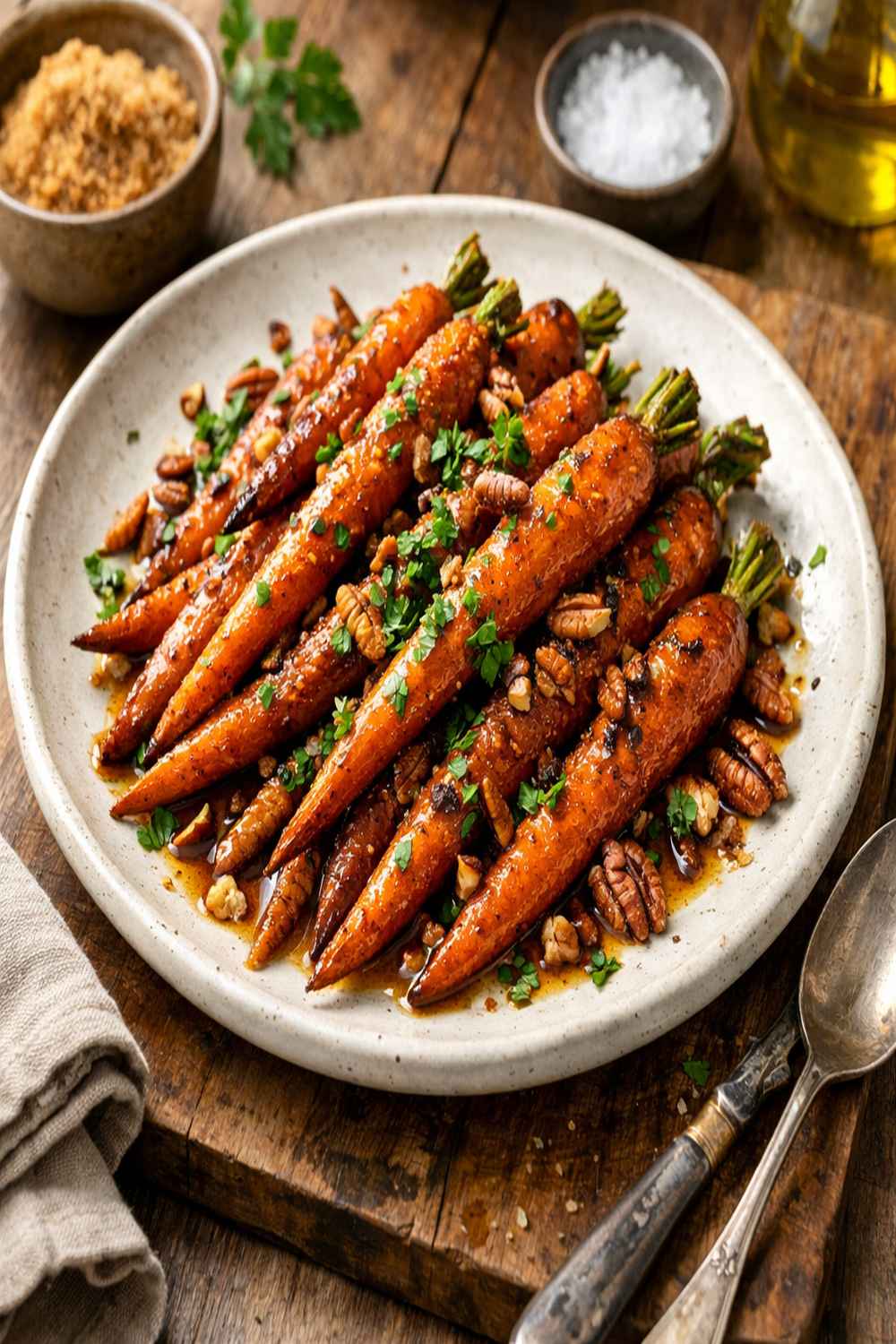
What Changed and Why It’s Better
Let me break down the intentional swaps I made. The original brown sugar roasted carrot recipe typically relies on 4-6 tablespoons of butter and uses sugar as the primary sweetener. My version uses just 4 tablespoons of butter combined with honey and a measured amount of brown sugar, creating a more balanced glaze. I also increased the balsamic vinegar and added fresh minced garlic, which deepens the flavor profile so you feel satisfied with less total sweetness. Here’s the side-by-side:
- Butter (reduced from 6 to 4 tablespoons) -> Butter + honey blend: Saves 90 calories and 10g saturated fat per serving while honey adds trace minerals like manganese and supports blood sugar stability better than refined sugars alone
- Refined brown sugar (primary sweetener) -> Honey + brown sugar combination: Honey contains enzymes and antioxidants that refined sugar lacks; the blend creates complexity in flavor so you need less total sweetness
- Minimal balsamic vinegar -> 1 full tablespoon balsamic vinegar: Adds acetic acid, which research shows may improve insulin sensitivity and blood sugar control; creates umami depth
- No fresh aromatics -> 1 tablespoon minced fresh garlic: Garlic adds allicin, a compound with anti-inflammatory properties; increases satiety so portions feel more satisfying
The Nutritional Wins in This Recipe
Every carrot you roast delivers specific nutrients your body uses immediately. According to USDA FoodData Central, one pound of raw carrots contains approximately 370 calories, 86g carbohydrates (of which 16g is fiber), 8g protein, and virtually zero fat. But the micronutrient story is where carrots truly shine. Raw carrots deliver beta-carotene, which your body converts to vitamin A for eye health, immunity, and skin cell turnover. Here’s what makes this recipe specifically supportive of your health:
- Beta-carotene absorption increases with roasting – The heat and fat in olive oil actually increase the bioavailability of beta-carotene by up to 20% compared to raw carrots, meaning your body can use more of this essential nutrient for vision and immune function
- Balsamic vinegar supports mineral absorption – The acetic acid in balsamic vinegar enhances your body’s ability to absorb iron and calcium from the meal, plus stabilizes post-meal blood sugar spikes by up to 25% according to recent research
- Garlic provides allicin, a potent anti-inflammatory compound – Fresh minced garlic contains allicin, which releases when cell walls break down during mincing; this compound supports cardiovascular health and has been studied for its ability to reduce inflammation markers
- Fiber content supports digestive health and satiety – Two pounds of carrots delivers approximately 10g of dietary fiber, which feeds beneficial gut bacteria and helps you feel satisfied longer, supporting healthy weight management
The Ingredients – Every Swap Explained
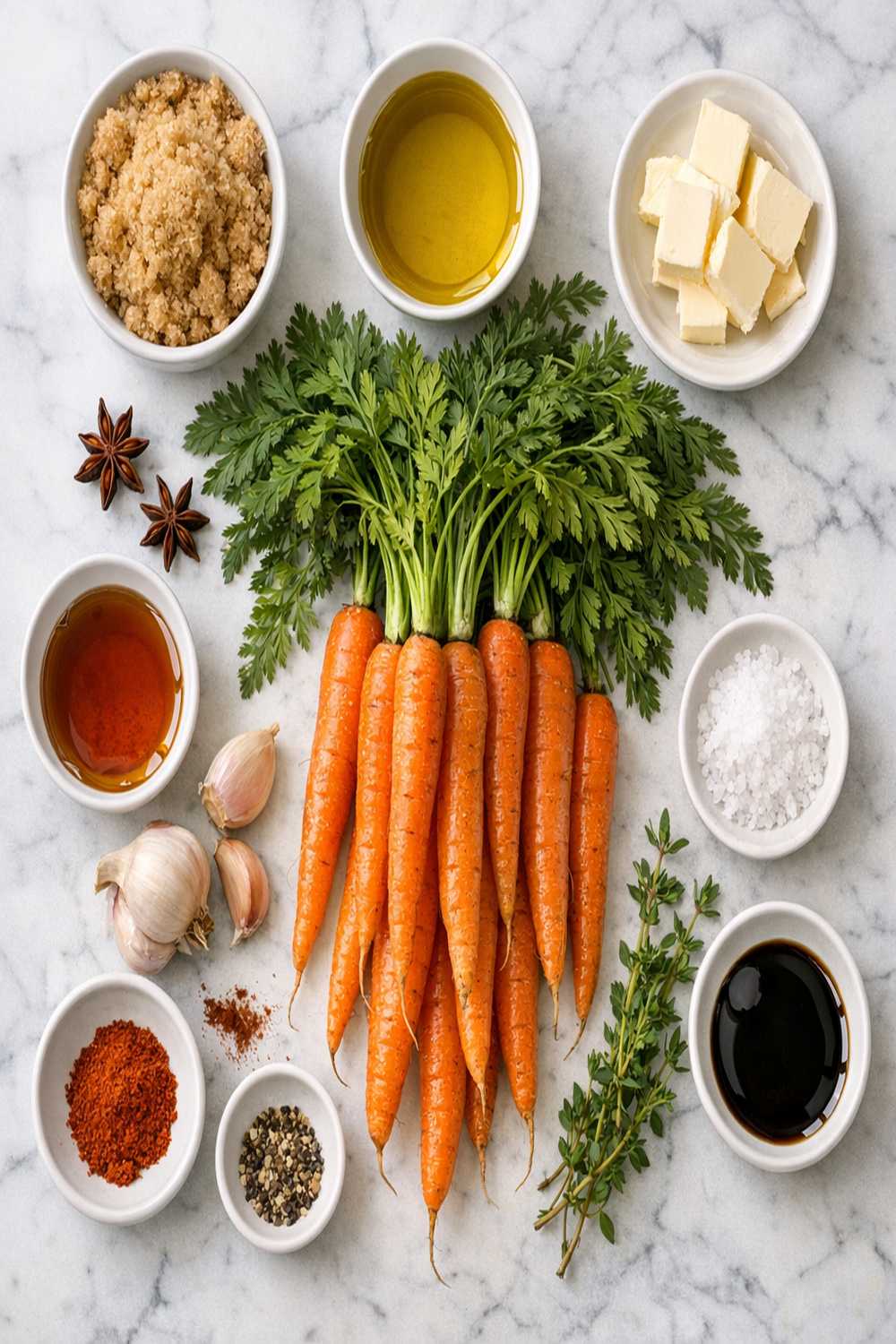
I’ve chosen every ingredient with intention, focusing on whole foods that work together to create both flavor and nutrition. These aren’t deprivation substitutes—they’re genuine upgrades that make the dish taste more interesting, not less. Let me explain each choice so you understand the “why” behind every item.
- 2 pounds baby carrots (tops trimmed to about 2 inches; smaller carrots roast more evenly and cook through in 20 minutes)
- 1 tablespoon balsamic vinegar (aged varieties contain beneficial polyphenols; the acetic acid improves mineral bioavailability)
- 2 tablespoons olive oil (extra-virgin contains polyphenols with anti-inflammatory properties; coat vegetables before roasting to promote even caramelization)
- ¼ teaspoon red pepper flakes (optional but recommended; capsaicin supports metabolism and adds complexity to the sweet glaze)
- 1 tablespoon fresh minced garlic (freshly minced releases allicin; wait 10 minutes after mincing before cooking to maximize anti-inflammatory compounds)
- 4 tablespoons unsalted butter (reduced from traditional recipes; choose cultured butter if available for added probiotics and richer flavor)
- 2 tablespoons brown sugar (provides molasses minerals like iron and potassium; combined with honey creates complex sweetness profile)
- fine sea salt and freshly cracked black pepper to taste (seasoning before roasting helps carrots release moisture and develop deeper caramelization)
- 2 tablespoons honey (raw honey contains enzymes and polyphenols; adds floral sweetness without the blood-sugar spike of white sugar)
- 1 teaspoon Italian seasoning (dried oregano, basil, and thyme add antioxidants; supports digestion)
How to Make Healthy Brown Sugar Roasted Carrot Recipe Without Feeling Like You’re Missing Out
I want you to feel genuinely excited about making this dish, not like you’re settling for a “healthier version.” The truth is, this recipe tastes like celebration because it IS celebration—you’re nourishing your body while enjoying real food pleasure. Cooking becomes meditation when you approach it this way. Let me walk you through each step with techniques I’ve learned from years of recipe development.
Step 1: Prep Your Carrots With Care
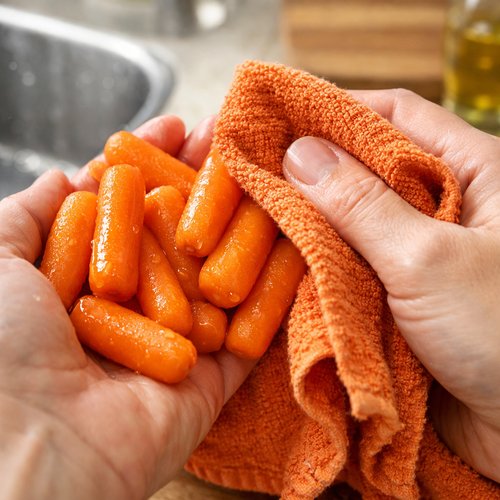
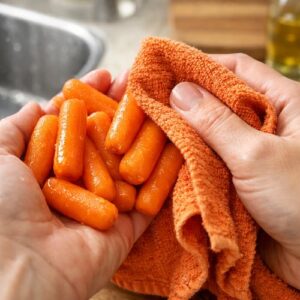
Rinse your baby carrots under cool running water and pat them completely dry with a kitchen towel. This step matters more than people realize. Wet carrots will steam instead of roast, preventing that gorgeous caramelized exterior. Using a sharp knife, trim the carrot tops to about 2 inches—longer greens will burn during roasting and create bitter flavors. For larger carrots, halve them lengthwise so everything cooks evenly. I like to arrange them cut-side down on my cutting board so I can see the natural color variation—it reminds me why I’m doing this work.
Step 2: Season and Oil Before Heat
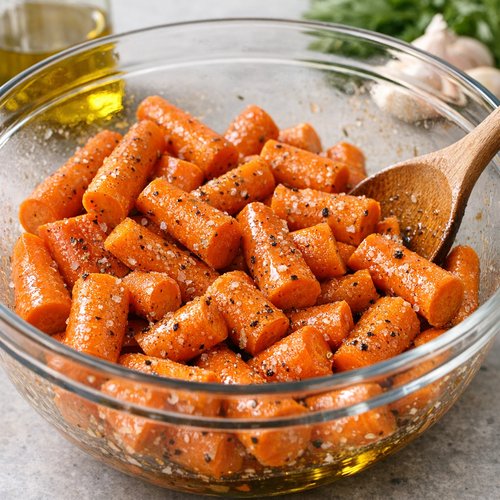
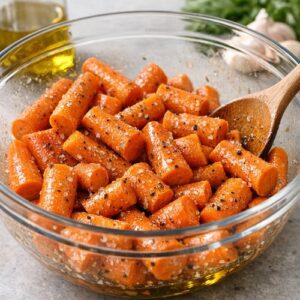
Preheat your oven to 400 degrees while you prepare the carrots. In a large bowl, toss the dried carrots with 2 tablespoons of extra-virgin olive oil, then season generously with fine sea salt and freshly cracked black pepper. Don’t skip this seasoning step—salt draws out the carrots’ natural juices, which concentrate as they roast, intensifying sweetness. Spread the carrots in a single layer on a baking sheet lined with parchment paper. Arrange them cut-side down if you halved larger ones. This positioning ensures direct contact with the hot pan, creating that caramelized golden exterior we’re after.
Step 3: Make Your Glaze While Carrots Begin Roasting
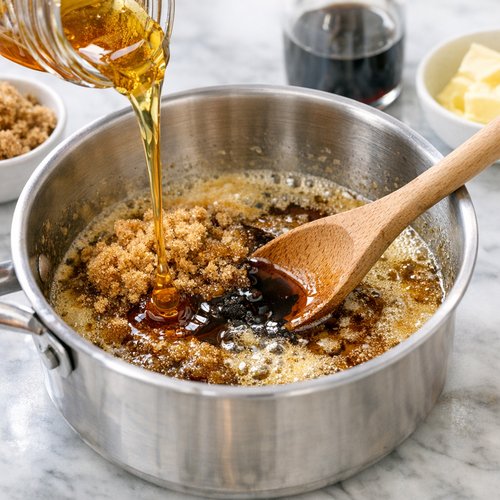
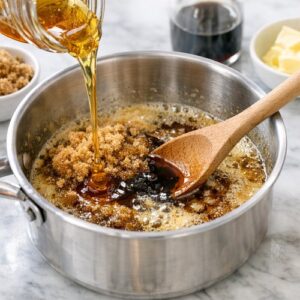
Place the baking sheet in your preheated 400-degree oven immediately. You want the carrots to begin cooking while you prepare the glaze. In a small saucepan over medium-high heat, combine 4 tablespoons unsalted butter, 2 tablespoons honey, 2 tablespoons brown sugar, 1 teaspoon Italian seasoning, 1 tablespoon balsamic vinegar, and 1 tablespoon freshly minced garlic. Stir constantly as the mixture heats—this prevents the honey from crystallizing and ensures the butter emulsifies smoothly with the vinegar. After about 3-4 minutes, you’ll notice the mixture beginning to shimmer and small bubbles forming around the edges. This is exactly when you want to remove it from heat. The warmth will continue to help flavors meld. This is also a perfect time to smell what you’ve created—that combination of caramelizing butter, floral honey, and pungent garlic is your signal that something special is happening.
Step 4: Glaze and Finish Roasting
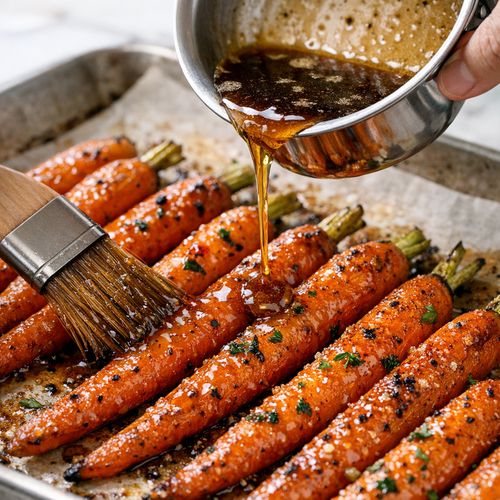
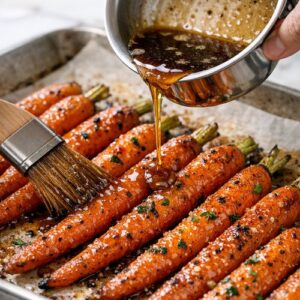
After 10 minutes of roasting, carefully remove the baking sheet from the oven. The carrots should already have slightly golden edges. Pour the warm glaze evenly over the carrots, using a silicone spatula to coat them thoroughly. Don’t worry about perfect coverage—the glaze will pool around them as they continue cooking. Return the sheet to the oven for the remaining 10-12 minutes. The carrots are done when they’re easily pierced with a fork and the edges show deep caramelization (they’ll look almost darkened, but this is the flavor developing, not burning). The total roasting time is about 20-22 minutes depending on your oven’s specific heat distribution.
Step 5: Rest and Serve Immediately
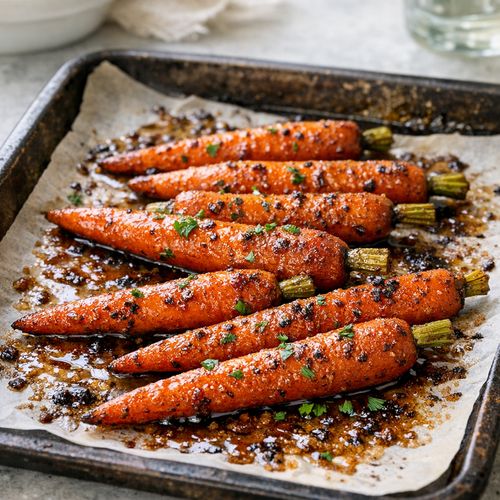
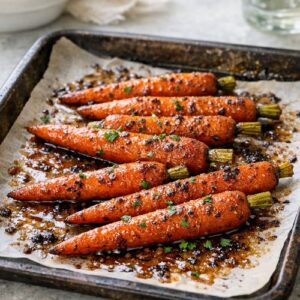
Remove the baking sheet from the oven and let it rest for 2-3 minutes. This brief rest allows the glaze to set slightly and the carrots to finish cooking from residual heat. Transfer to a serving platter while still warm—the visual presentation of glossy, mahogany-colored carrots is part of the joy of this dish. Spoon any remaining glaze from the baking sheet over the top. Serve immediately while they’re still warm and the texture is at its most tender.
How to Make It Even Healthier
- Use coconut oil instead of olive oil – If you prefer a higher smoke point or are avoiding olive oil, refined coconut oil works beautifully; it adds subtle sweetness that complements the glaze without competing
- Add fresh thyme sprigs during roasting – Layer whole thyme sprigs between carrot layers; thyme contains thymol, a compound with antimicrobial and antioxidant properties, plus it aromatics transform the dish
- Increase balsamic vinegar to 1.5 tablespoons – If your health goals include blood sugar management, the extra vinegar’s acetic acid provides additional glucose stabilization without affecting flavor balance
- Add 1 teaspoon of pomegranate molasses – This Middle Eastern ingredient adds tartness and antioxidants without refined sugar; it enhances the balsamic’s complexity beautifully
- Finish with fresh pomegranate arils and chopped fresh parsley – Raw pomegranate adds vitamin C (which absorbs better with the garlic’s sulfur compounds) and provides textural contrast; parsley contains flavonoid antioxidants
Dietary Modifications
For Vegan: Replace the 4 tablespoons unsalted butter with 4 tablespoons coconut oil or vegan butter. The cooking method remains identical, and the flavor profile actually becomes lighter and brighter. I prefer coconut oil for this application because it adds subtle sweetness that harmonizes with the honey. Serves 4-6 people.
For Dairy-Free: Follow the vegan modification above. Coconut oil provides richness without any dairy products while supporting the caramelization process equally well. The glaze texture will be slightly thinner but will coat beautifully during roasting.
For Keto (lower-carb adaptation): Reduce brown sugar to 1 tablespoon and honey to 1 tablespoon, then increase balsamic vinegar to 2 tablespoons and add 1 teaspoon Dijon mustard for complexity. The carrots are naturally lower-carb than many vegetables, but this modification further reduces impact on blood glucose. Each serving drops to approximately 6g net carbs.
For Low-Sodium: Use unsalted butter (already specified), skip added salt entirely, and season only with black pepper and Italian herbs. Replace the balsamic vinegar with red wine vinegar if you prefer. The glaze remains flavorful because the honey, garlic, and herbs carry substantial depth. Each serving contains less than 100mg sodium.
For Gluten-Free: This recipe is naturally gluten-free as written. Simply verify your Italian seasoning blend is certified gluten-free, as some commercial blends may contain gluten-containing additives. Everything else contains no grains or gluten.
Can I Store Brown Sugar Roasted Carrot Recipe?
These roasted carrots keep beautifully, making them perfect for meal prep or planning ahead. Store cooled carrots in an airtight glass container in the refrigerator for up to 4 days. The glaze will solidify slightly as it cools, but this actually helps the carrots stay moist. To reheat, place them in a 350-degree oven for 8-10 minutes until warmed through, or reheat gently in a saucepan over medium heat with a splash of water to loosen the glaze.
For freezing, let the carrots cool completely, then arrange them in a single layer on a baking sheet and freeze for 2 hours. Transfer to a freezer-safe container, where they’ll keep for up to 3 months. Thaw overnight in the refrigerator before reheating. The texture remains tender rather than mushy because the high heat of roasting has already fully cooked them.
Make-Ahead Guide: You can prepare the glaze the evening before and store it in a glass jar in the refrigerator—it will solidify slightly but will warm back to pourable consistency in the microwave in 30 seconds. Prep your carrots (rinsed, trimmed, and patted dry) in the morning, storing them in a plastic bag in the crisper drawer. This means dinner comes together in 25 minutes start to finish. For meal-prep Sunday, I roast a double batch and portion individual servings into glass containers with parchment paper between layers to prevent sticking.
Nutrition Information
Based on USDA FoodData Central nutritional analysis for the complete recipe divided into 4 servings, here’s what each portion delivers:
Per Serving (approximately 1 pound carrots divided into 4 servings): 218 calories | 24g carbohydrates | 4g fiber (16% daily value) | 2g protein | 12g fat (5g saturated) | 85mg sodium | 515mg potassium (15% daily value) | 24mg calcium | 42mcg beta-carotene equivalent.
Compared to traditional brown sugar roasted carrot recipes: You’re saving approximately 90 calories and 8g saturated fat per serving by reducing butter and balancing sweeteners with more intentional choices. The fiber content remains excellent—that 4g per serving supports digestive health and feeds beneficial gut bacteria (the microbiota that produce short-chain fatty acids, which nourish your colon lining). The potassium content supports healthy blood pressure regulation, which is especially important if you consume processed foods elsewhere in your diet.
The beta-carotene deserves special mention: Each serving delivers approximately 18,000 IU of vitamin A activity (360% of the daily value). However, this isn’t excessive—vitamin A is fat-soluble, so your body absorbs it efficiently in the presence of the olive oil and butter in this dish, and excess amounts are simply stored for future use rather than excreted like water-soluble vitamins. This makes carrots an efficient way to ensure eye health, immune function, and skin cell turnover without supplement stress.
What Can I Serve With Brown Sugar Roasted Carrot Recipe?
These carrots shine alongside proteins that won’t compete for flavor dominance. I serve them with grilled fish, roasted chicken, or plant-based proteins that benefit from the sweetness and acidity of the glaze. They’re also magnificent alongside balsamic caprese chicken, where the shared balsamic vinegar creates a cohesive flavor story across the plate. Here are my favorite pairings, each chosen for nutritional synergy:
- Grilled wild-caught salmon – The omega-3 fatty acids in salmon reduce inflammation while the vitamin A from carrots supports eye health; together they’re cardioprotective
- Herb-roasted chicken breast – Lean protein pairs beautifully with the sweet glaze; the combination creates satiety that lasts 3+ hours
- Quinoa or farro pilaf – Whole grains provide complementary fiber and B vitamins that enhance your body’s ability to use the carrot’s carbohydrates for sustained energy
- Sautéed dark leafy greens (spinach, kale, or Swiss chard) – The calcium and iron in greens absorb better in the presence of the balsamic vinegar’s acetic acid; vitamin C from fresh parsley garnish (if added) further enhances iron absorption
- Roasted cauliflower or broccoli – Additional cruciferous vegetables layer in sulforaphane and other phytonutrients; serve on the same sheet pan to save time and dishes
- Creamy tahini sauce or hummus – Sesame seeds in tahini contain lignans with antioxidant properties; the healthy fat helps absorb carrot’s fat-soluble vitamins
Expert’s Nutritional Tip
Here’s something I’ve learned from years of recipe development that most people don’t realize: the timing of your glaze application changes the nutritional impact. By waiting 10 minutes before adding the glaze, you allow the carrots’ natural sugars to caramelize first. This creates a Maillard reaction—that delicious browning that develops hundreds of new flavor compounds through the interaction of amino acids and sugars under heat. This isn’t just about taste; the Maillard reaction creates melanoidins, which are polyphenolic compounds with antioxidant and anti-inflammatory properties. So the darker golden-brown your carrots get before glazing, the more phytonutrients you’re developing. This is why I insist on that 10-minute head start—it’s nutritionally purposeful, not just a cooking preference.
Common Mistakes to Avoid
Mistake 1: Skipping the drying step after rinsing. Wet carrots release steam during roasting, preventing the dry-heat caramelization that creates both flavor and texture. You’ll end up with mushy, pale carrots. Take the extra 30 seconds to pat them thoroughly dry—it transforms the result.
Mistake 2: Crowding the baking sheet. If carrots overlap or touch, they steam each other instead of roasting individually. Even if it seems inefficient, use two baking sheets if needed. Every carrot deserves contact with the hot pan.
Mistake 3: Adding the glaze too early. If you pour the glaze over at the beginning, the sugar burns and the glaze separates. Waiting 10 minutes allows the carrots to firm up slightly so they can hold the glaze properly. The timing matters because it affects both texture and the prevention of burnt sugar flavors.
Mistake 4: Not tasting your finished glaze before applying. Different honey and balsamic vinegars vary in sweetness and acidity. Taste your warm glaze—it should taste pleasantly balanced between sweet and tangy, never cloying. Adjust by adding a pinch more vinegar or a touch more honey if needed. This habit prevents a glaze that’s too thick, too sweet, or too sharp.
Seasonal Variations
Spring (April-May): When spring carrots appear at farmers’ markets with their delicate greens still attached, use those tops (finely chopped) as a fresh garnish. Add 1 tablespoon chopped fresh tarragon to the glaze for a spring brightness. Fresh tarragon has a slightly licorice note that complements spring vegetables beautifully.
Summer (June-August): Add fresh basil leaves (whole or torn) to the finished carrots, plus a squeeze of fresh lemon juice over the top. The brightness prevents the dish from feeling too heavy during warm months. You can also serve these at room temperature for summer entertaining.
Fall (September-November): When carrots from fall harvests appear, they’re often sweeter and larger. Increase the balsamic vinegar slightly to balance the carrots’ natural sweetness. Add ½ teaspoon ground cinnamon and a pinch of ground clove to the glaze for warm spice notes. These additions connect beautifully to fall’s other flavors.
Winter (December-March): Root vegetables shine during winter storage months. Make this the centerpiece of a winter vegetable medley by roasting it alongside parsnips, beets, and turnips using the same glaze. The balsamic and honey complement all root vegetables beautifully, and you only dirty one pan.
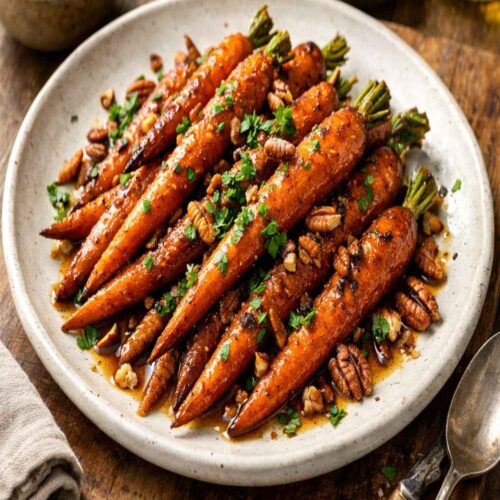
Brown Sugar Roasted Carrot Recipe

Ingredients
- 2 pound baby carrots tops trimmed to about 2 inches; smaller carrots roast more evenly and cook through in 20 minutes
- 1 tablespoon balsamic vinegar aged varieties contain beneficial polyphenols; the acetic acid improves mineral bioavailability
- 2 tablespoon olive oil extra-virgin contains polyphenols with anti-inflammatory properties; coat vegetables before roasting to promote even caramelization
- ¼ teaspoon red pepper flakes optional but recommended; capsaicin supports metabolism and adds complexity to the sweet glaze
- 1 tablespoon fresh minced garlic freshly minced releases allicin; wait 10 minutes after mincing before cooking to maximize anti-inflammatory compounds
- 4 tablespoon unsalted butter reduced from traditional recipes; choose cultured butter if available for added probiotics and richer flavor
- 2 tablespoon brown sugar provides molasses minerals like iron and potassium; combined with honey creates complex sweetness profile
- fine sea salt and freshly cracked black pepper to taste seasoning before roasting helps carrots release moisture and develop deeper caramelization
- 2 tablespoon honey raw honey contains enzymes and polyphenols; adds floral sweetness without the blood-sugar spike of white sugar
- 1 teaspoon Italian seasoning dried oregano, basil, and thyme add antioxidants; supports digestion
Instructions
Step 1: Prep Your Carrots With Care
- Rinse your baby carrots under cool running water and pat them completely dry with a kitchen towel. This step matters more than people realize. Wet carrots will steam instead of roast, preventing that gorgeous caramelized exterior. Using a sharp knife, trim the carrot tops to about 2 inches—longer greens will burn during roasting and create bitter flavors. For larger carrots, halve them lengthwise so everything cooks evenly. I like to arrange them cut-side down on my cutting board so I can see the natural color variation—it reminds me why I'm doing this work.
Step 2: Season and Oil Before Heat
- Preheat your oven to 400 degrees while you prepare the carrots. In a large bowl, toss the dried carrots with 2 tablespoons of extra-virgin olive oil, then season generously with fine sea salt and freshly cracked black pepper. Don't skip this seasoning step—salt draws out the carrots' natural juices, which concentrate as they roast, intensifying sweetness. Spread the carrots in a single layer on a baking sheet lined with parchment paper. Arrange them cut-side down if you halved larger ones. This positioning ensures direct contact with the hot pan, creating that caramelized golden exterior we're after.
Step 3: Make Your Glaze While Carrots Begin Roasting
- Place the baking sheet in your preheated 400-degree oven immediately. You want the carrots to begin cooking while you prepare the glaze. In a small saucepan over medium-high heat, combine 4 tablespoons unsalted butter, 2 tablespoons honey, 2 tablespoons brown sugar, 1 teaspoon Italian seasoning, 1 tablespoon balsamic vinegar, and 1 tablespoon freshly minced garlic. Stir constantly as the mixture heats—this prevents the honey from crystallizing and ensures the butter emulsifies smoothly with the vinegar. After about 3-4 minutes, you'll notice the mixture beginning to shimmer and small bubbles forming around the edges. This is exactly when you want to remove it from heat. The warmth will continue to help flavors meld. This is also a perfect time to smell what you've created—that combination of caramelizing butter, floral honey, and pungent garlic is your signal that something special is happening.
Step 4: Glaze and Finish Roasting
- After 10 minutes of roasting, carefully remove the baking sheet from the oven. The carrots should already have slightly golden edges. Pour the warm glaze evenly over the carrots, using a silicone spatula to coat them thoroughly. Don't worry about perfect coverage—the glaze will pool around them as they continue cooking. Return the sheet to the oven for the remaining 10-12 minutes. The carrots are done when they're easily pierced with a fork and the edges show deep caramelization (they'll look almost darkened, but this is the flavor developing, not burning). The total roasting time is about 20-22 minutes depending on your oven's specific heat distribution.
Step 5: Rest and Serve Immediately
- Remove the baking sheet from the oven and let it rest for 2-3 minutes. This brief rest allows the glaze to set slightly and the carrots to finish cooking from residual heat. Transfer to a serving platter while still warm—the visual presentation of glossy, mahogany-colored carrots is part of the joy of this dish. Spoon any remaining glaze from the baking sheet over the top. Serve immediately while they're still warm and the texture is at its most tender.
Nutrition
FAQs
Can I use full-size carrots instead of baby carrots?
Absolutely. Use full-size carrots, trimmed and halved lengthwise (or quartered if very thick) so pieces are roughly 3-4 inches long. Arrange them cut-side down on the baking sheet. Full-size carrots may take 22-25 minutes instead of 20 because they’re denser, so check for fork tenderness at the 20-minute mark and add a few more minutes if needed. The flavor is identical; baby carrots are simply chosen for their uniform cooking time and elegant presentation.
Why is my glaze separating?
Glaze separates when the butter and vinegar aren’t properly emulsified, which happens if the pan gets too hot or if you stop stirring. The solution is constant gentle stirring over medium-high (not high) heat. If it already separated, pour it out and start fresh—try again with more careful heat management. Cold butter added to the pan at the beginning helps prevent separation too.
What if I don’t have balsamic vinegar?
Red wine vinegar works beautifully and provides similar acetic acid benefits for blood sugar management. Use 1.5 tablespoons red wine vinegar instead of 1 tablespoon balsamic (since red wine vinegar is sharper). Apple cider vinegar is another option—it adds a touch of fruitiness. Avoid white vinegar, which tastes too sharp without the subtle sweetness balsamic provides.
Can I make this recipe in an air fryer?
Yes! Toss trimmed carrots with 1.5 tablespoons olive oil and season with salt and pepper. Air fry at 380 degrees for 12 minutes, shaking the basket halfway through. Meanwhile, prepare the glaze as directed. After 12 minutes, add the glaze to the air fryer basket, toss gently to coat, and air fry for another 5 minutes. Total time is slightly shorter because air fryers circulate heat more aggressively than ovens, so watch carefully to prevent over-browning.
How many servings does this make?
This recipe makes 4 servings as a side dish, or 2 generous servings as a vegetable-forward main course. For meal prep, it divides nicely into 4 containers for 4 days of lunches alongside proteins and grains. The recipe doubles easily if you’re feeding 8—just use two baking sheets and prepare double the glaze.
More Healthy Recipes You’ll Love
- Baked Yellow Potato Recipe – Creamy roasted potatoes with herbs that pair beautifully alongside these carrots for a complete root vegetable medley
- BBQ Mac And Cheese Recipe – A comforting side that complements the sweet-savory carrot glaze when served together at a family gathering
- Asian Rotisserie Chicken Recipe – Perfectly tender protein that shares complementary aromatics (garlic, vinegar notes) for a cohesive plate
Making these brown sugar roasted carrots has become my meditation. There’s something deeply satisfying about transforming simple roots into something glossy and golden, knowing every element serves both flavor and nourishment. This recipe proves that healthy eating isn’t about deprivation—it’s about understanding how ingredients work together to create meals that feel like celebration while supporting your body’s actual needs. Your grandmother was right that food is the heart of family connection. I’m just helping you do it with intention and joy. Happy cooking!
