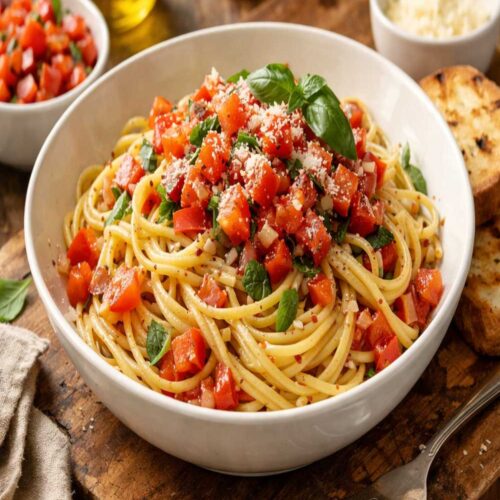
Bruschetta Pasta Recipe

I'll never forget the summer I spent visiting family in northern Italy. I was sitting on my cousin's terrace in Piedmont, watching her make this exact dish with tomatoes she'd picked that morning from her garden. The way she tossed hot pasta directly into a bowl of bright, uncooked tomato mixture was pure magic—the heat released the most incredible fragrance from the basil and garlic. That moment taught me that the simplest dishes often carry the deepest traditions. Today, I'm sharing this beloved Italian-inspired pasta with you, and I promise it will become a staple in your kitchen when summer tomatoes are at their peak.
Ingredients
- 2 cup tomatoes fresh and ripe during summer; high-quality canned San Marzano tomatoes work beautifully in off-season, drained well
- 1 tablespoon balsamic vinegar aged balsamic is lovely, but even basic balsamic brings brightness
- 8 ounce pasta (any shape works beautifully
- 2 clove fresh garlic (minced finely, and yes, fresh matters
- ¼ cup extra-virgin olive oil look for bottles labeled "first cold-pressed" or "early harvest" for the most vibrant flavor
- ½ cup fresh basil leaves (cut into thin ribbons or roughly torn
- 2 tablespoon fresh lemon juice adds brightness and helps prevent oxidation in raw tomatoes
- Pinch of red pepper flakes optional, but it adds warmth and complexity
- ½ teaspoon kosher salt adjust to taste; kosher salt has a lighter touch than table salt
- ¼ teaspoon freshly cracked black pepper grind it fresh for best flavor
- ½ cup freshly shredded Parmigiano-Reggiano cheese (pre-shredded has anti-caking agents that change texture
Instructions
Step 1: Begin the Flavor Building
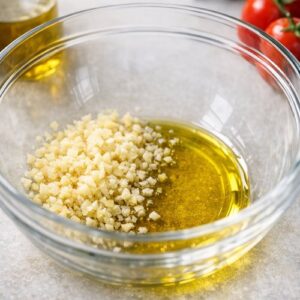
- While your water comes to a boil, create the foundation of your dish. In a large mixing bowl (not on heat), combine your minced garlic, ¼ cup of that beautiful extra-virgin olive oil, and the balsamic vinegar. Let these three ingredients sit together for just a moment. The oil will begin to soften the sharp edge of the raw garlic, and the vinegar will add brightness. This step is traditional because it does something important: it allows the garlic to infuse the oil without becoming bitter. You're creating a flavor base that will coat every piece of pasta. In Italian kitchens, this is called "soffritto light"—a gentle flavor foundation without the cooking.
Step 2: Prepare the Tomato Mixture
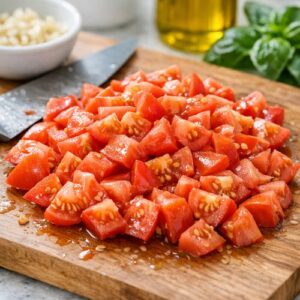
- Now, chop your tomatoes into roughly ¾-inch pieces. You want them substantial enough to create texture in the finished dish, but small enough to distribute evenly. Add them to your garlic-oil mixture along with the lemon juice, kosher salt, and black pepper. If you're using a pinch of red pepper flakes, add them now. Here's where patience becomes part of the tradition. Let this mixture sit for 5-10 minutes while your pasta water heats. The tomatoes will begin to release their juices into the oil, creating a light, silky sauce. This is maceration—the technique that transforms raw tomatoes into something magical. You'll notice the mixture becoming wetter and more fragrant. This is exactly what we want. Stir occasionally during this time. You're not trying to break down the tomatoes; you're letting them gently release their essence. This is the opposite of aggressive cooking. It's respectful and gentle.
Step 3: Cook the Pasta Properly
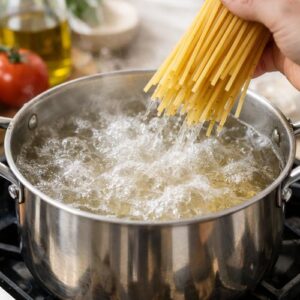
- Bring a large pot of water to a rolling boil. This is important—the water needs to be generously salted, almost like the sea. Italian cooks say, "Salt your pasta water like you're seasoning soup." This is where the pasta gets its flavor, not after cooking. Add your 8 ounces of pasta and cook according to package directions, but aim for al dente—just tender with a slight firmness when you bite it. This texture matters because the pasta will continue to soften slightly when it meets the room-temperature tomato mixture. You want it to have enough structure to stand up to the light sauce. While the pasta cooks, continue to occasionally stir your tomato mixture. The flavors are getting to know each other, melding into something cohesive and beautiful.
Step 4: The Traditional Transfer
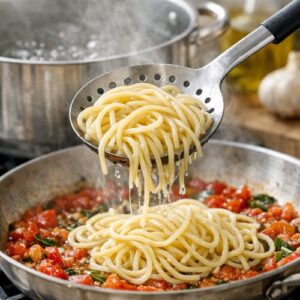
- Here's where the magic happens, and it's the most important step. Use a slotted spoon to transfer the hot pasta directly from the cooking water to the bowl with your tomato mixture. Don't drain it in a colander. Don't rinse it. The starchy pasta water clinging to each strand is a gift—it will help the light tomato oil coat the pasta evenly. If you prefer, you can reserve ¼ cup of the starchy cooking water and add it to your mixture, but I've found that the pasta transferred directly works beautifully. The heat from the pasta will gently warm the tomatoes just enough to release their final burst of flavor, but they'll remain fresh and bright—never cooked. This transfer method is traditional because it's efficient and respectful. You're creating one moment of gentle heat that awakens flavors without changing the character of the dish.
Step 5: The Final Assembly
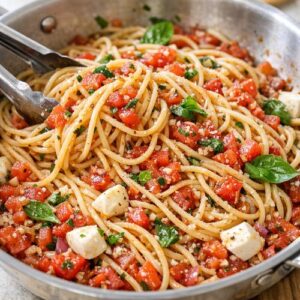
- Now, toss everything together gently but thoroughly. The warm pasta will coat beautifully in the tomato mixture. Let it sit for about 5 minutes, stirring occasionally. This resting period is crucial. The pasta will absorb flavors and thicken slightly as the starch releases and the oil and tomato juices combine into something silky. Taste and adjust your salt and pepper. Every tomato is different; some are more acidic, some more sweet. Trust your palate. If it needs brightness, add a squeeze more lemon juice. If it needs depth, crack more pepper over top. Now—and only now—add your fresh basil. Tear or cut it into thin ribbons, and fold it in gently. The warmth of the pasta will release the basil's essential oils, filling your kitchen with that unmistakable scent of Italian summer.
Step 6: Serve with Respect
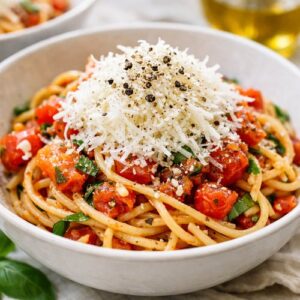
- Transfer to serving bowls or plates. Top each portion with a generous handful of freshly shredded Parmigiano-Reggiano and a crack of black pepper. If you have extra fresh basil, add a few leaves on top. Serve immediately while the pasta is still warm and the flavors are vibrant. In Italian homes, this is a first course (primo) or a light main dish. It's not meant to be heavy or filling. It's meant to celebrate the season and bring people together around a table.
Nutrition
Calories: 399kcalCarbohydrates: 47gProtein: 13gFat: 18gSaturated Fat: 4gCholesterol: 9mgSodium: 209mgFiber: 3gSugar: 4g
Tried this recipe?Let us know how it was!